Self-medicating is very dangerous and can lead to unintentional toxicity, accidents, injuries, and death. Alcohol misuse harms the brain and body by weakening the immune system, damaging the liver, increasing blood pressure, and contributing to chronic illnesses. Around 53% of patients who initiate prolonged exposure treatment successfully recover from PTSD. However, this issue was still seen as a moral failing or lack of willpower rather than as a disease or a response to trauma. Finally, the American Medical Association classified it as a disorder in 1956.
And oftentimes, when people run into legal trouble while drinking, they do not remember what they did and have to be informed the next day. If a loved one is experiencing co-occurring PTSD and alcohol use disorders it is important to know how to get them the treatment they need. This is especially true ptsd alcohol blackout for negative experiences versus neutral or positive ones. Repeatedly dwelling on a traumatic memory can worsen the experience of recalling it. Age plays a role in your memory insomuch as you need to continually remember an event in order to keep the memory strong. You tend to recall recent events because they’re more pertinent to everyday existence, so some of your older memories start to fade.
PTSD Symptoms, Emotion Dysregulation, and Alcohol-Related Consequences Among College Students with a Trauma History
Making a loved one feel supported and understood can increase the likelihood of effective treatment. Integrated treatment that addresses both disorders is important to begin recovery.Treatment for co-occurring PTSD and alcohol use disordersmay include bothindividual therapy and group therapy. Medication is available to assist with PTSD symptoms that can cause setbacks like intrusive nightmares.
Addiction Treatment
It’s a condition in which life becomes a daily struggle to find a semblance of stability in the midst of persisting traumatic memories. But if you continually complain about losing your memory after a night out, then you might want to reconsider your alcohol consumption habits. Studies show that drinking to the point of losing memory could have serious short-term and long-term consequences—including life-threatening accidents due to impaired judgement and risky behaviors. Contrary to common assumptions, alcohol blackouts are a big deal and there’s nothing normal about the incidents.

Lifestyle Quizzes
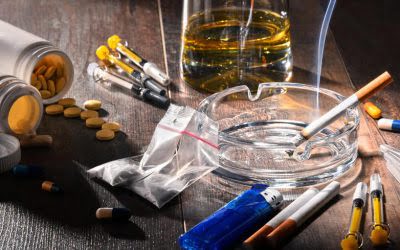
Alcohol’s effects on PTSD symptoms can be severe, causing symptoms to worsen. This may make you want to increase the amount of alcohol you consume, creating a cycle of self-medicating with alcohol. Unfortunately, alcohol dependency can worsen PTSD symptoms and create uncomfortable side effects. Like many others with PTSD, you are more likely to develop alcoholism when trying to self-medicate symptoms.
Mental Health Treatment
Instead of addressing trauma through therapy, mindfulness, or support, individuals may rely on alcohol to dull their emotions. Some individuals may experience blackouts rarely, perhaps only in response to specific, intense triggers. Others may struggle with more frequent episodes, sometimes occurring daily or multiple times per week. The frequency of blackouts often correlates with the overall severity of PTSD symptoms and the effectiveness of treatment and coping strategies. Many people report feeling as though they’ve “woken up” in a different place or situation, with no recollection of how they got there.
Some of us like to drink to relax, chill out, or unwind, while others enjoy having a glass or two of wine with a meal or a beer while socializing. Some of us may consume alcohol as a coping mechanism or a form of self-medication. For those of us struggling with the distress of PTSD, alcohol can transform from a social lubricant into a temporary respite from pain.
- The symptoms are not a result of the effects of a substance such as medication, alcohol, or another medical condition.
- Unlike age-related memory decline or the effects of certain medications, PTSD blackouts are typically episodic and closely tied to traumatic experiences.
- The Recovery Village is experienced in treating alcohol and other substance use and co-occurring disorders like PTSD.
- One way to help a friend or family member struggling with their drinking is by noticing how much they drink.
- If you suffer from alcohol use disorder (AUD) and post-traumatic stress disorder (PTSD), you are not alone.
To understand this phenomenon, we must delve into the neurological mechanisms underlying PTSD-related blackouts. When an individual experiences trauma, the brain’s stress response system becomes hyperactivated, leading to changes in the way memories are processed and stored. The hippocampus, a region crucial for memory formation, can be particularly affected by chronic stress and trauma. Like a camera with a faulty shutter, the mind sometimes clicks but fails to capture, leaving behind a haunting void where memories should be. A 2023 study suggests post-traumatic disorders are among the most common co-occurring diagnoses in people with substance use disorder (SUD).
- PTSD is a mental health condition occurring in people after they have experienced a major traumatic event.
- Despite the differences, the common thread is that alcohol use has a negative impact on their lives.
- Amanda Stevens is a highly respected figure in the field of medical content writing, with a specific focus on eating disorders and addiction treatment.
It’s not uncommon to return home with trauma, even if you have not been diagnosed with a mental health issue. As a result, drinking can become a way for you to cope with depression, anxiety, and other invisible wounds of war. SoberBuzz is not just an organisation; it’s a lifeline for those who may be questioning their relationship with alcohol and are seeking guidance on how to navigate this journey of change. At SoberBuzz, they understand the complexities and challenges that can arise when re-evaluating your connection with alcohol. They offer a safe, non-judgmental haven where you can openly share your experiences, be heard, and find unwavering support. Research consistently demonstrates a strong association between PTSD and alcohol misuse.
For example, 12 fl oz of regular beer with an ABV of 5% is comparable to 1.5 fl oz of shots with an ABV of 40%. As a toxin, the alcohol you consume goes to the liver to be metabolized and filtered out of your system. Under normal circumstance, your body is able to filter roughly one alcohol unit (8g or 10ml of pure alcohol) every 60 minutes. When you binge drink—and your BAC increases rapidly—the liver gets overwhelmed, hindering its ability to process the alcohol safely.
Encouraging Professional Help
At the same time, https://ecosoberhouse.com/ the amygdala (the brain region that warns us about danger) and the frontal lobe (reasoning area) are suppressed by alcohol. The brain continues to process information as usual—but memory formation is blocked. People who are blackout drunk have been known to engage in all sorts of activities—including destroying property, driving themselves home, eating meals, or engaging in risky sexual encounters.
Typically when we feel lower and more manageable levels of fear, we want to shut down, physically hide and cover ourselves at times to feel a sense of comfort, even break down emotionally from the intense and overwhelming feelings. Our brain’s instinct understands that we can’t do that when we are in Oxford House immediate danger so it pumps us full of chemicals and hormones that keep us going, and these levels remain elevated for hours, sometimes days. When those endorphins wear off, because we sent out all our stores to trigger the protection response, we actually arrive at a depleted endorphin state.